


La guía completa para aprender japonés
La guía completa para aprender japonés
No hace falta ser obsesivo del anime para aprender japonés — pero millones de personas lo son, y esa es una gran razón para empezar. Cada día, estudiantes de toda América abren un libro de texto japonés, practican sus primeros caracteres de Hiragana o reservan un billete de ida a Tokio. Algunos quieren estudiar en una universidad japonesa. Otros necesitan japonés para una carrera en tecnología, traducción o negocios internacionales. Y muchos solo quieren entender sus series favoritas sin tener que esperar subtítulos.
Sea lo que sea que te ha traído aquí, esta guía te ofrece la hoja de ruta. Te guiaremos por cada paso — desde escribir tu primer personaje de Hiragana hasta presentarte al examen JLPT N3 — con recursos específicos, plazos realistas y estrategias que realmente funcionan. No hay consejos vagos. Nada de "solo mira anime y aprenderás!" con gestos de manos. Simplemente un plan claro basado en lo que los aprendices reales han hecho antes que tú.
Al final de esta guía, sabrás exactamente cómo aprender japonés de forma eficiente, qué estudiar en cada etapa y cómo medir tu progreso. Empecemos.
¿Por qué aprender japonés?
El japonés ya no es un idioma "de nicho". La influencia cultural de Japón —desde el anime y el manga hasta la tecnología y la gastronomía— ha hecho del japonés uno de los idiomas más estudiados en Norteamérica y Sudamérica. Pero las razones para estudiar japonés van mucho más allá de la cultura pop.
Oportunidades profesionales. Japón es la cuarta economía más grande del mundo y líder mundial en automoción, robótica, electrónica y videojuegos. Empresas como Toyota, Sony, Nintendo y SoftBank buscan activamente empleados bilingües. Añadir japonés a tu currículum abre puertas a multinacionales, agencias gubernamentales y startups que se expanden al mercado asiático.
Ventajas académicas. Universidades japonesas como la Universidad de Tokio, Waseda y Keio ofrecen programas de primer nivel para estudiantes internacionales. El gobierno japonés ofrece generosas becas: la beca MEXT cubre la matrícula, los gastos de vida y los vuelos. Miles de estudiantes estudian en Japón cada año, y muchos programas acogen a principiantes sin ningún conocimiento previo de japonés.
Beneficios cognitivos. Los tres sistemas de escritura del japonés y su estructura gramatical completamente diferente desafían tu cerebro de formas que las lenguas romances no pueden. Aprender japonés desarrolla habilidades de reconocimiento de patrones, mejora la memoria y desarrolla la flexibilidad mental que facilita el aprendizaje de otros idiomas en el futuro.
Acceso cultural. Hablar japonés te permite conectar directamente con la cultura: leer manga en el original, entender los diálogos del anime sin subtítulos, moverte por Tokio con confianza y mantener conversaciones reales con amigos japoneses. Esa profundidad de conexión es algo que ninguna traducción puede replicar.

Comprendiendo el idioma japonés
Antes de lanzarte a estudiar japonés, ayuda entender en qué te estás metiendo. El japonés pertenece a la familia de las lenguas japonicas. Sus orígenes exactos son objeto de debate, y no tiene relación confirmada con el chino, el coreano ni ninguna otra familia lingüística importante — aunque comparte similitudes gramaticales con el coreano.
Tres sistemas de escritura. El japonés utiliza tres escrituras simultáneamente: Hiragana (ひらがな) para palabras y gramática nativas japonesas, Katakana (カタカナ) para préstamos y énfasis extranjeros, y Kanji (漢字) — caracteres chinos — para las palabras principales del contenido. Esto puede parecer abrumador, pero los aprendes uno a uno y cada uno cumple un propósito claro.
Estructura de la oración: Sujeto-Objeto-Verbo. El inglés sigue el orden Sujeto-Verbo-Objeto ("Como arroz"). El japonés sigue Sujeto-Objeto-Verbo ("Como arroz"): 私はご飯を食べます (watashi wa gohan o tabemasu). El verbo siempre viene al final, y las partículas marcan el papel de cada elemento en la oración.
Gramática aglutinante. El japonés es aglutinante, es decir, construyes significado apilando terminaciones sobre raíces verbales. Piénsalo como los bloques de Lego: empiezas con un verbo raíz y cortas piezas para indicar tiempo, cortesía, negación y potencial. Una vez que entiendes el sistema de bloques, la gramática se vuelve mecánica en lugar de misteriosa.
Acento de tono. A diferencia de los cuatro tonos del mandarín, el japonés utiliza el acento de altura: el patrón de tono de una palabra cambia según dónde se sitúe el acento. Por ejemplo, はし (hashi) puede significar "palillos" (agudo-bajo) o "puente" (bajo-agudo) dependiendo del tono. Es más sutil que los lenguajes tonales, pero merece la pena prestarle atención desde el principio.
Paso 1: Aprende primero Hiragana y Katakana
Si solo tomas un consejo de esta guía, que sea este: aprende Hiragana y Katakana antes que nada. No pases semanas confiando en Romaji — japonés escrito con letras en inglés. El Romaji es inconsistente, oculta detalles de pronunciación y te impide leer textos japoneses reales. Comprométete con los guiones japoneses desde el primer día.
Hiragana — 46 caracteres básicos. El hiragana es la base de la escritura japonesa. Cualquier palabra japonesa puede escribirse en hiragana, y se usa para palabras nativas, partículas gramaticales y como guías de pronunciación (furigana) por encima de los kanji. Los caracteres básicos son:
- あ (a), い (i), う (u), え (e), お (o)
- か (ka), き (ki), く (ku), け (ke), こ (ko)
- さ (sa), し (shi), す (su), せ (se), そ (so)
- た (ta), ち (chi), つ (tsu), て (te), と (to)
- な (na), に (ni), ぬ (nu), ね (ne), の (no)
- は (ha), ひ (hi), ふ (fu), へ (he), ほ (ho)
- ま (ma), み (mi), む (mu), め (me), も (mo)
- や (ya), ゆ (yu), よ (yo)
- ら (ra), り (ri), る (ru), れ (re), ろ (ro)
- わ (wa), を (wo), ん (n)
Cada personaje también tiene variantes de dakuten (con voz) y handakuten: が (ga), ざ (za), だ (da), ば (ba), ぱ (pa), y así sucesivamente. Incluyendo estos, estás hablando de unos 100 caracteres en total — muy manejable en una o dos semanas.
Katakana — 46 caracteres para palabras extranjeras. Katakana tiene los mismos sonidos que Hiragana, pero utiliza formas de carácter diferentes y angulares. Se utiliza para préstamos de otros idiomas (コーヒー, kōhī — "café"), términos científicos, onomatopeyas y énfasis (como cursivas en inglés). No te saltes Katakana — aparece en todas partes en textos japoneses, desde menús de restaurantes hasta señales de calle.
Técnicas mnemotécnicas. La forma más eficaz de memorizar Hiragana y Katakana es mediante la mnemotecnia visual. El carácter あ (a) parece una persona inclinándose con un brazo extendido. El carácter メ (yo, "ojo") se parece a un ojo. Crea asociaciones vívidas para cada personaje, escríbelas repetidamente y ponte a prueba a ti mismo a diario. La mayoría de los alumnos dominan ambos textos en 7–14 días de práctica enfocada.
Japanese Ammo with Misa's Hiragana tutorial es uno de los recursos más populares para principiantes: claro, bien ritmado y repleto de trucos de memoria. Trabaja en ello con un cuaderno, practica escribir cada carácter y estarás leyendo texto japonés en una semana.
Una vez que tengas lo básico, profundiza en tus habilidades con nuestra guía para dominar el Hiragana y el Katakana en tu primera semana , para realizar ejercicios de práctica específicos y errores comunes que evitar.
Paso 2: Desarrolla el vocabulario básico
Con Hiragana y Katakana a tus espaldas, es hora de llenar tu diccionario mental. La buena noticia: no necesitas memorizar 10.000 palabras para mantener una conversación. El vocabulario de alta frecuencia es útil, pero las cifras de cobertura varían según el corpus y no se traducen directamente en capacidad conversacional. Concéntrate en la frecuencia, no en el volumen.
Wasei-eigo — tu arma secreta. El japonés está lleno de palabras "japonesas en inglés" (和製英語, wasei-eigo) — préstamos del inglés. Estos dan a los angloparlantes una gran ventaja inicial: マンション (manshon) significa "apartamento", コンビニ (konbini) significa "tienda de conveniencia", アルバイト (arubaito) significa "trabajo a tiempo parcial" y スマートフォン (sumātofon) significa "smartphone". Ya conoces cientos de palabras japonesas — solo tienes que reconocerlas en su forma japonesa.
Empieza con estas categorías:
- Saludos: こんにちは (konnichiwa), ありがとう (arigatō), すみません (sumimasen)
- Números: 一 (ichi), 二 (ni), 三 (san) — los números japoneses son refrescantemente lógicos
- Comida: 寿司 (sushi), ラーメン (rāmen), 水 (mizu, "agua"), お茶 (ocha, "té")
- Direcciones y transporte: 右 (migi, "derecha"), 左 (hidari, "izquierda"), 駅 (eki, "estación")
- Verbos comunes: 食べる (taberu, "comer"), 飲む (nomu, "beber"), 行く (iku, "llevar"), 見る (miru, "ver"), する (suru, "hacer")
- Adjetivos comunes: 大きい (ōkii, "grande"), 小さい (chiisai, "pequeño"), 良い (yoi, "bueno"), 高い (takai, "caro/alto")
La repetición espaciada no es negociable. Tu cerebro olvida en una curva predecible. Los sistemas de repetición espaciada (SRS) luchan contra esa curva mostrándote palabras justo antes de que las olvides. Anki es la herramienta SRS gratuita más potente: descarga una baraja de frecuencias japonesa compartida o crea la tuya propia a partir de palabras que encuentres. Wani Kani es excelente para el aprendizaje específico de kanji (más sobre eso abajo). En cualquier caso, dedica entre 15 y 20 minutos diarios a repasar vocabulario. La constancia supera a la intensidad.
Paso 3: Fundamentos de la gramática japonesa
La gramática japonesa tiene fama de ser difícil. No es — simplemente es diferente. Una vez que interiorizas los patrones centrales, todo lo demás se construye sobre ellos. Vamos a desglosar los cimientos.
Estructura de frases en SOV. Como se ha mencionado, el japonés pone el verbo al final. "Como arroz" se convierte en 私はご飯を食べます (watashi wa gohan o tabemasu). El tema/sujeto (私は) viene primero, el objeto (ご飯を) en segundo lugar, y el verbo (食べます) al final. Esto requiere práctica, pero tu cerebro se adapta en pocas semanas de exposición constante.
Partículas: el pegamento de las frases japonesas. El japonés utiliza partículas (pequeños marcadores adheridos a las palabras) para indicar la función gramatical. Estos son los primeros en encontrarte:
- は (wa) — marcador temático. Marca de qué trata la frase. Nota: escrito como は pero pronunciado "wa" cuando se usa como partícula. 私は = "En cuanto a mí..."
- が (ga) — marcador de sujeto. Identifica quién o qué realiza la acción. Se usa para nueva información y en cláusulas subordinadas.
- を (o) — marcador de objeto. Identifica qué recibe la acción. ご飯を食べます = "comer arroz." Se escribe como を pero se pronuncia "o".
- に (ni) — marcador/tiempo. "En", "to", "on" para el tiempo y el destino. 三時に = "a las 3 en punto." 学校に = "al colegio."
- で (de) — lugar de acción / marcador de medios. "En/donde ocurre una acción" o "por medio de." 図書館で = "en la biblioteca" (estudiar allí). バスで = "en autobús."
La distinción entre は (tema) y が (tema) es uno de los aspectos más complicados de la gramática japonesa. No te preocupes si no lo entiendes de inmediato: lleva meses de experiencia. Empieza usando は como tu predeterminado y aprende los patrones de が poco a poco.
Grupos verbales y conjugación. Los verbos japoneses se dividen en tres grupos, y cada uno se conjuga de forma diferente:
- Grupo 1 — Verbos Godan (五段): Terminan en う, く, ぐ, す, つ, ぬ, ぶ, む o る. Ejemplos: 書く (kaku, "escribir"), 話す (hanasu, "hablar"), 飲む (nomu, "beber").
- Grupo 2 — Verbos Ichidan (一段): Termina en 〜iru o 〜eru. Ejemplos: 食べる (taberu, "comer"), 見る (miru, "ver"), 寝る (neru, "dormir"). Estos son los más fáciles de conjugar: simplemente elimina 〜る y añade los finales.
- Grupo 3 — Verbos irregulares: Solo dos: する (suru, "hacer") y 来る (kuru, "venir"). Memoriza esto de memoria.
Formas de conjugación clave:
- Polite (ます-form): 食べます (tabemasu) — "Como." Tu habitual en la conversación.
- Forma sencilla (diccionario): 食べる (taberu) — "comer." Usado con amigos, por escrito y en cláusulas subordinadas.
- Forma Te: 食べて (tabete) — "comer y / comer." Conecta frases, hace peticiones (食べてください = "por favor, come") y describe acciones en curso (食べている = "está comiendo").
Tipos de adjetivos. El japonés tiene dos tipos de adjetivos que se conjugan de forma diferente:
- Los adjetivos い terminan en 〜い: 大きい (ōkii, "grande"), 新しい (atarashii, "nuevo"). Para hacer pasado: 大きかった (ōkikatta, "era grande").
- Los adjetivos な requieren 〜な antes de sustantivos: 静かな (shizuka na, "callado"), 有名な (yūmei na, "famoso"). Se conjugan como sustantivos.

Para practicar la gramática que se adapte a tu nivel, Bunpro es la mejor herramienta disponible: utiliza repetición espaciada diseñada específicamente para puntos gramaticales, no solo para vocabulario. Combínalo con la Guía para aprender japonés de Tae Kim (gratis en línea) para explicaciones detalladas de cada concepto gramatical.
Paso 4: Enfrentar Kanji — El Gran Reto
El kanji es la montaña que todo aprendiz de japonés debe escalar. Hay aproximadamente 2.000 "kanji jōyō" (常用漢字) — los caracteres necesarios para la alfabetización básica en japonés. Cada uno tiene múltiples lecturas y un significado único. Es mucho. Pero es posible con la estrategia adecuada.
Por qué importan los kanji. No puedes leer japonés sin kanji. Periódicos, carteles, menús, libros de texto — todos usan kanji a menudo. Mientras que Hiragana y Katakana manejan la gramática y las palabras extranjeras, el Kanji lleva el significado de palabras de contenido. Saltarse los kanji significa seguir siendo analfabeto en japonés, por muy bien que hablas.
Radicales y componentes. Cada kanji se construye a partir de componentes más pequeños llamados radicales. Por ejemplo, el carácter 休 (descanso) está formado por 人 (persona) + 木 (árbol) — una persona apoyada en un árbol para descansar. Aprendiendo los ~200 radicales más comunes, puedes descomponer cualquier kanji en piezas manejables y memorables. Esta es la idea clave que hace que aprender kanji parezca posible en lugar de imposible.
Métodos de aprendizaje:
- Wani Kani — una aplicación web que enseña 2.000 kanji y 6.000 palabras de vocabulario usando repetición espaciada y mnemotecnia. Es la herramienta de pago más popular para aprender kanji, y con razón. El modelo de suscripción te mantiene responsable.
- Recordando los Kanji (RTK) — El método de James Heisig asigna una historia única a cada Kanji basada en sus componentes. El libro es gratuito para encontrar en línea y funciona bien como base, aunque tendrás que complementar con práctica de lectura.
- Curso para Aprendices de Kanji Kodansha — un enfoque más tradicional de libro de texto con explicaciones claras y vocabulario de ejemplo para cada personaje.
- Anki con un mazo de kanji — gratis y flexible. Los mazos "Kanji Damage" o "Core 2K" son puntos de partida populares.
Línea temporal realista. Aprendiendo entre 10 y 15 kanji nuevos al día con repeticiones espaciadas, puedes cubrir los 2.000 kanji jōyō en 6–12 meses. La clave es la revisión diaria: faltar días provoca acumulaciones que resultan abrumadoras. Empieza primero por los personajes más frecuentes (los mazos de Wani Kani y Anki Frequency hacen esto automáticamente) para que puedas empezar a leer texto real rápidamente.
Para una estrategia más profunda, lee nuestra guía definitiva de estrategias de aprendizaje de kanji : compara todos los métodos principales y te ofrece un plan personalizado basado en tu estilo y calendario de aprendizaje.
Paso 5: Práctica de Escucha y Expresión Oral
Puedes leer el japonés perfectamente y aún así quedarte congelado cuando un hablante nativo habla a toda velocidad. Eso es normal. La comprensión auditiva y la expresión oral son habilidades separadas que requieren práctica dedicada, no solo un subproducto de la lectura y el estudio gramatical.
La pronunciación japonesa es sencilla. En comparación con los tonos mandaríns o las consonantes coreanas, la pronunciación japonesa es uno de los aspectos más fáciles para los angloparlantes. El sistema vocálico tiene solo cinco vocales puras (a, i, u, e, o), y las consonantes son generalmente similares al inglés. El principal reto es el sistema de acento de tono — ciertas palabras cambian de significado según el patrón de tono — pero esto es más sutil que los sistemas tonales completos y mejora de forma natural con la exposición auditiva.
La técnica de sombra. Shadowing significa escuchar audio japonés nativo y repetirlo en voz alta simultáneamente — como una sombra que sigue su origen. Esto construye pronunciación, ritmo y entonación al mismo tiempo. Empieza con audio lento y claro (diálogos de libro o podcasts para principiantes) y aumenta la velocidad poco a poco. Incluso 10 minutos de observación diaria producen una mejora notable en un mes.
Aplicaciones de intercambio de idiomas. Una vez que domines las frases básicas, empieza a hablar con personas reales. HelloTalk y Tandem te ponen en contacto con hablantes de japonés que quieren practicar inglés — un trato justo para ambas partes. italki y plataformas similares ofrecen tutorías individuales con profesores nativos de japonés; Compara directamente los precios actuales y las cualificaciones de los profesores. Organiza una sesión de conversación semanal. Al principio, tropezarás. Mide el progreso por tareas que puedas realizar en lugar de promesas de meses fijos; Los alumnos progresan a ritmos muy diferentes.

Recursos de escucha por nivel:
- Principiante: "Japanese Pod 101" podcast (lecciones estructuradas), NHK Easy Japanese (noticias lentas y claras)
- Intermedio: Canal de YouTube "Miku Real Japanese", drama japonés con subtítulos en japonés
- Avanzado: Programas de variedades japoneses, pódcasts como "Bilingual News", noticias japonesas (NHK, Asahi)
Paso 6: Lectura y escritura en japonés
Leer y escribir solidifica todo lo que has aprendido. Te obligan a procesar el japonés de forma activa en lugar de pasiva, y te exponen a la gramática y al vocabulario en contexto.
Lectores graduados. No te metas en un periódico japonés el primer día. Comienza con materiales diseñados para los estudiantes. Tadoku (多読, "lectura extensiva") es un método que utiliza lectores graduados organizados por nivel. Empieza con libros de Nivel 0 (todos Hiragana, con imágenes sencillas) y ve aumentando poco a poco. La web de Tadoku Free Books ofrece cientos de lectores graduados gratuitos en formato PDF.
Leer manga. El manga es una de las formas más divertidas de desarrollar la fluidez lectora. El contexto visual ayuda a la comprensión, y el lenguaje es natural y conversacional. Empieza con manga slice-of-life (lenguaje más sencillo) antes de abordar fantasía o ciencia ficción (que usan vocabulario inventado y kanji elaborados). Títulos populares y aptos para principiantes incluyen よつばと! (¡Yotsuba!) y 白熊カフェ (Café del Oso Polar).
Práctica de escritura. Lleva un diario japonés — aunque sea de 3 a 5 frases al día. Escribe sobre tu día, tus planes o lo que comiste. Utiliza el vocabulario y los patrones gramaticales que hayas aprendido recientemente. Apps como Jisho.org (el mejor diccionario japonés-inglés gratuito) y Takoboto (Android) te ayudan a buscar palabras y ver oraciones de ejemplo.
Examen JLPT: Tu objetivo de certificación
Si quieres un hito concreto en tu aprendizaje del japonés, apunta al JLPT — Japanese Language Proficiency Test. Es la certificación reconocida internacionalmente que las universidades, empleadores y organismos gubernamentales japoneses utilizan para medir la capacidad lingüística. A diferencia del TOPIK para coreano, el JLPT no tiene sección de expresión oral ni de escritura — evalúa vocabulario, gramática, lectura y comprensión auditiva.
Cinco niveles:
- N5 (Principiante): ~100 horas de estudio. Entiende japonés básico. Lee Hiragana, Katakana y ~100 kanji. Maneja conversaciones sencillas sobre la vida diaria.
- N4 (Primaria): ~300 horas. Entiende japonés básico en situaciones un poco más complejas. Conoce ~300 kanji. Encárgate de la mayoría de las interacciones diarias.
- N3 (Intermedio): ~600–800 horas. Entiende el japonés cotidiano a una velocidad casi natural. Conoce ~650 kanji. Este es el nivel que exigen la mayoría de universidades y empleadores.
- N2 (Intermedio Alto): ~1.000–1.200 horas. Entiende el japonés en una amplia variedad de contextos. Conoce ~1.000 kanji. Suficiente para la mayoría de entornos profesionales.
- N1 (Avanzado): ~2.000+ horas. Entiende el japonés en contextos complejos y abstractos. Conoce todos los ~2.000 kanji jōyō. Comprensión lectora casi nativa.
Estructura del examen. Cada nivel evalúa tres secciones: Conocimientos de Lengua (vocabulario/gramática), Comprensión de Lectura y Comprensión Auditiva. El examen se realiza dos veces al año (julio y diciembre) en centros de examen de todo el mundo. N5 y N4 se ofrecen en ambas ventanas; N1–N3 suelen ser solo en diciembre.
Cronología del estudio (estimaciones realistas):
- N5: 3 meses de estudio diario (1 hora/día)
- N4: 6 meses en total
- N3: 12–18 meses en total
- N2: 18–24 meses en total
- N1: 2–4 años en total

Consejos para el día del examen. Regístrate pronto — los centros de examen populares se llenan rápido. Trae tu pasaporte y un lápiz. La sección de lectura es la que más tiempo exige a niveles altos; Practica con exámenes simulados cronometrados. Para escuchar, entrena tus oídos con los medios japoneses a diario en las semanas previas al examen — no empolles.
Para un plan estructurado de preparación para el JLPT, consulte nuestro plan completo de estudio JLPT N5–N3 con horarios semanales y materiales de práctica recomendados.
Aprender japonés a través de los medios
Seamos sinceros: la mayoría de la gente que aprende japonés lo hace en parte porque les encanta el contenido japonés. El truco es convertir el entretenimiento pasivo en aprendizaje activo. Ver anime con subtítulos en inglés es divertido, pero no te hará fluido. Así es como utilizar los medios de forma eficaz.
El método de estudio del anime. Elige una escena (de 2 a 3 minutos). Mírala una vez con subtítulos en inglés para que tengas contexto. Mírala de nuevo con subtítulos en japonés, haciendo una pausa para buscar palabras desconocidas. Mírala una tercera vez sin subtítulos, ocultando el diálogo en voz alta. Repite con una escena nueva cada día. Esto convierte 30 minutos de ver anime en una poderosa sesión de escucha y vocabulario.
Advertencia importante: el japonés del anime ≠ el japonés real. Los personajes de anime usan patrones de habla exagerados, lenguaje casual y expresiones inventadas que suenan extrañas en una conversación real. Usa anime para practicar la escucha y ampliar vocabulario, pero complementa con recursos que enseñen japonés natural y cotidiano — como dramas japoneses, programas de variedades y canales de YouTube con hablantes nativos.
Contenido recomendado por nivel:
- Principiantes: Shirokuma Cafe (Polar Bear Cafe — diálogos simples y humorísticos), Antique Bakery (conversación cotidiana), NHK Easy Japanese News
- Intermedio: Terrace House (reality show — japonés real, sin guion), Your Name (diálogo natural de joven), dramas de J como Queen o Legal High
- Avanzado: Death Note (vocabulario complejo), programas de noticias japoneses, podcasts como "Bilingual News" y "Soccer Nerd Podcast"
Letras de J-pop y J-rock. Imprime la letra en japonés de tus canciones favoritas. Busca cada palabra que no conozcas. Canta conmigo. La música utiliza estribillos repetitivos, lo que significa que escucharás el mismo vocabulario decenas de veces — perfecto para memorizar. Artistas como Yorushika, YOASOBI y King Gnu utilizan un lenguaje rico y poético que amplía tu vocabulario más allá del japonés de los libros de texto.
Profundizamos en este enfoque en nuestro artículo sobre cómo aprender japonés a través del anime — incluyendo una plantilla de estudio imprimible que puedes usar con cualquier serie.
Estudiar en el extranjero en Japón: la ventaja de la inmersión
Ningún estudio basado en una app sustituye estar en Japón. Cuando estudias japonés en Japón, cada momento se convierte en una oportunidad de aprendizaje — pedir comida en un konbini, pedir indicaciones en la estación, charlar con compañeros, leer señales de tren. Tu cerebro pasa de "modo estudio" a "modo supervivencia", y el progreso se acelera drásticamente.
Elegir una escuela de idiomas. Japón cuenta con excelentes escuelas de idiomas diseñadas para estudiantes internacionales:
- ¡Vamos! ¡Vamos! Nihon — una agencia que coloca a estudiantes en escuelas de idiomas seleccionadas en Tokio, Osaka y Kioto. Se encarga del papeleo de visados y de la vivienda.
- ISI Language School — múltiples ubicaciones, conocida por su tamaño reducido de clases y su diversidad estudiantil.
- KAI Japanese School — programas intensivos con un fuerte enfoque en la conversación y habilidades prácticas.
Programas de intercambio universitario. Si estás matriculado en una universidad, comprueba si tienen una asociación de intercambio con instituciones japonesas. El programa de becas MEXT es increíblemente generoso: cubre la matrícula, proporciona una beca mensual e incluso paga los vuelos. Los programas van desde un semestre hasta una carrera completa.
Hábitos de inmersión diaria. Una vez que estés en Japón, maximiza tu exposición:
- Pide comida en japonés — incluso en tiendas de conveniencia, aunque tarde más
- Haz amigos japoneses a través del programa de amigos de tu universidad o de encuentros locales
- Lee cada día un titular de noticias japonesas (NHK News Web Easy está escrito para estudiantes)
- Lleva un diario japonés — incluso dos frases cuentan
- Consigue un trabajo a tiempo parcial (アルバイト, arubaito) — la experiencia de inmersión definitiva
- Limitar los medios en inglés mientras se está en el extranjero
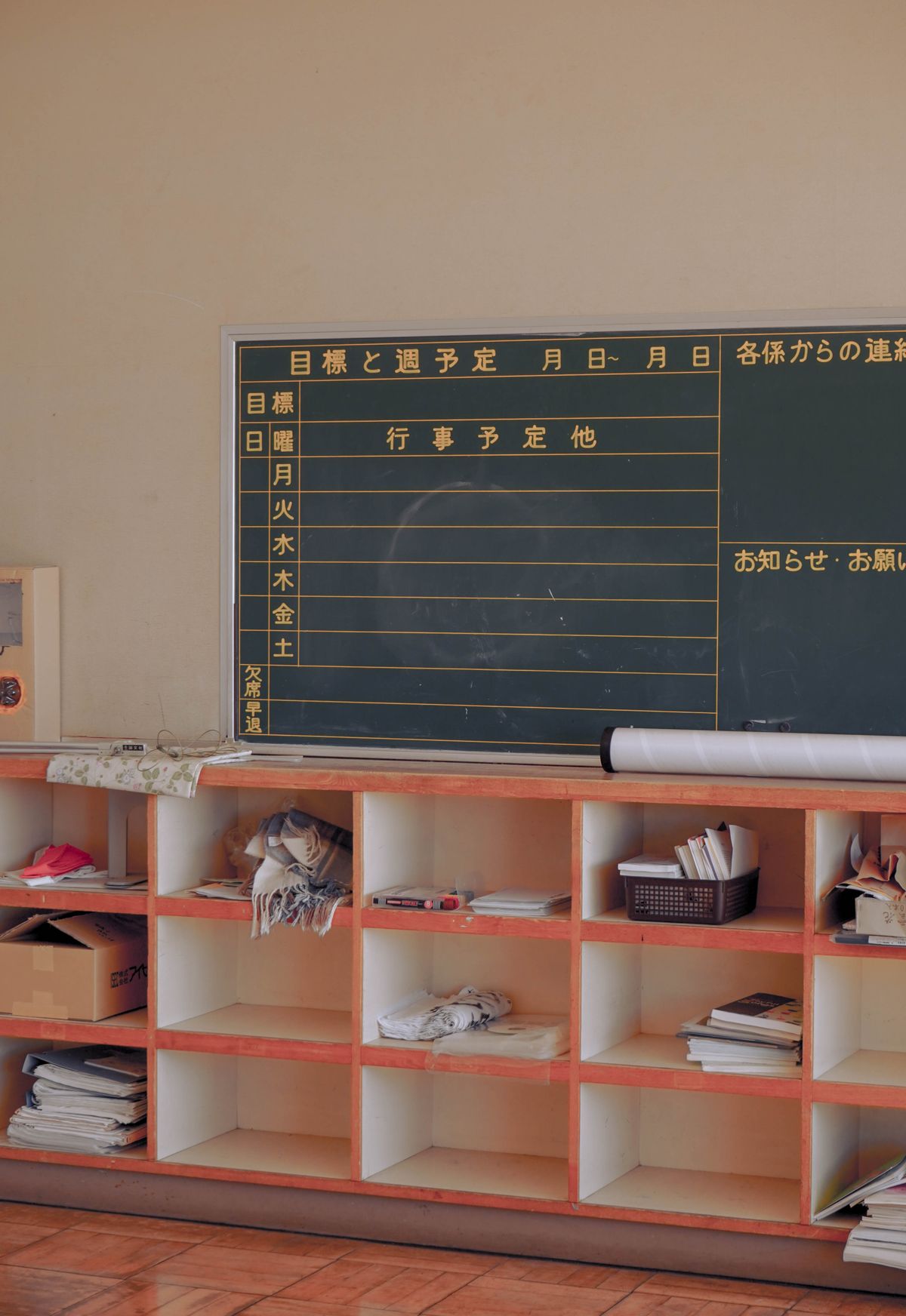
Japonés educado (Keigo). Una vez en Japón, notarás rápidamente que el japonés que aprendiste en los libros suena diferente a lo que la gente realmente dice en situaciones formales. El japonés tiene un elaborado sistema de cortesía llamado 敬語 (keigo) que cambia las formas verbales, el vocabulario e incluso la estructura de las frases según con quién te estés dirigiendo. Como aprendiz, céntrate en 丁寧語 (teineigo) — la forma educada con terminaciones 〜ます/です — como predeterminada. Puedes aprender los más formales 尊敬語 (sonkeigo) y 謙譲語 (kenjōgo) a medida que avances. Nuestra guía sobre keigo y japonés educado desglosa los tres niveles con ejemplos prácticos.
Si Japón no es tu único interés, explora nuestras guías para estudiar en Corea del Sur y estudiar en Taiwán : ambas ofrecen experiencias increíbles de inmersión lingüística con sus propias ventajas únicas.
Recursos gratuitos y tu plan de estudio a 12 meses
No necesitas gastar cientos de euros en cursos de japonés. Los mejores recursos son gratuitos o económicos:
Recursos gratuitos principales:
- Guía de Tae Kim para aprender japonés — la guía de gramática japonesa gratuita más completa en línea. Claro, lógico y bien organizado.
- Bunpro — repetición espaciada para gramática. El nivel gratuito cubre una gran variedad de puntos gramaticales organizados por nivel JLPT.
- NHK Easy Japanese (NHK 日本語) — artículos de noticias gratuitos escritos en japonés sencillo con furigana y audio. Actualizado a diario.
- Jisho.org — el mejor diccionario japonés-inglés gratuito. Proporciona oraciones de ejemplo, orden de trazos para kanji y palabras relacionadas.
Las mejores aplicaciones:
- Wani Kani — el estándar de oro para el aprendizaje de kanji. Suscripción de pago, pero vale cada yen.
- Anki — tarjetas de repetición libre y espaciada. Descárgate un mazo de frecuencias japonés y revisa cada día.
- LingoDeer — creado específicamente para lenguas asiáticas. Mejor que Duolingo para explicaciones gramaticales japonesas.
- Bunpro — SRS específico de gramática. Llena el vacío que dejan abierta las aplicaciones solo de vocabulario.
Tu plan de estudio a 12 meses:
- Meses 1–2: Maestro Hiragana y Katakana. Primero construye vocabulario de 200 palabras. Aprende saludos básicos y patrones de frase. Empieza el Kanji con Wani Kani Nivel 1. (Objetivo: leer en voz alta cualquier texto en Hiragana/Katakana)
- Meses 3–4: Amplía a 500 palabras. Estudia gramática básica (partículas, conjugación verbal, tipos de adjetivos). Empieza a hacer shadowing. (Objetivo: JLPT N5)
- Meses 5–6: 1.000 palabras. Gramática intermedia (te-forma, condicionales, forma potencial). Inicia el intercambio de idiomas. 300+ kanji. (Objetivo: JLPT N4)
- Meses 7–9: 2.000 palabras. Gramática compleja. Lee libros de lectura graduada y manga con furigana. Práctica diaria de escucha. 650+ Kanji. (Objetivo: fluidez conversacional)
- Meses 10–12: 3.000+ palabras. Preparación para el JLPT N3. Escribe ensayos cortos en japonés. Considera un programa de estudios en el extranjero. 1.000+ kanji. (Objetivo: JLPT N3)
La constancia lo es todo. Treinta minutos cada día superan tres horas los fines de semana. Tu cerebro necesita exposición diaria para construir y mantener las vías neuronales que hacen que el japonés se sienta natural.
Descarga tu plan de estudios japonés gratuito
¿Listo para empezar? Hemos preparado un plan de estudio japonés gratuito de 12 meses que desglosa exactamente qué estudiar cada semana — desde tu primer personaje de Hiragana hasta la preparación para el JLPT N3.
El PDF incluye:
- Horario de estudio semana a semana con compromisos de tiempo diarios
- Objetivos de vocabulario y mazos recomendados para tarjetas de estudio
- Hitos gramaticales con enlaces gratuitos a recursos
- Progresión del aprendizaje de kanji con los horarios de Wani Kani y Anki
- Calendario de preparación para el JLPT y calendario de exámenes de práctica
- Plantillas de estudio de medios para el aprendizaje de anime y drama
Descarga el Plan de Estudio Gratuito (PDF)
Ya sea que planees estudiar en Japón, prepararte para el JLPT o simplemente enamorarte del idioma, este plan te da la estructura que necesitas. Imprímelo, pégalo en la pared y marca cada semana sobre la marcha.
Tu viaje japonés comienza con un solo personaje. Aprende Hiragana hoy mismo y, para estas fechas del año que viene, tendrás conversaciones que nunca imaginaste. 頑張ってください! (¡Ganbatte kudasai! — "¡Haz lo mejor que puedas!")
Preguntas frecuentes
¿Cuánto tiempo se tarda en aprender japonés?
El Instituto del Servicio Exterior de EE. UU. estima unas 2.200 horas de clase para que los hablantes de inglés alcancen un dominio profesional del japonés, lo que lo convierte en uno de los idiomas que más tiempo consumen para los angloparlantes. Pero "aprender japonés" significa cosas diferentes para cada persona. Con un estudio constante diario (1–2 horas), puedes mantener conversaciones básicas en 6–12 meses, alcanzar fluidez intermedia (JLPT N3) en 18–24 meses y alcanzar un nivel avanzado en 3–4 años. Tu calendario depende de la intensidad de tu estudio, las oportunidades de inmersión y si has aprendido otros idiomas asiáticos antes.
¿Es más difícil el japonés que el coreano o el chino?
El japonés suele considerarse el más difícil de los tres para los angloparlantes, principalmente por sus tres sistemas de escritura (hiragana, katakana y kanji). El coreano tiene un sistema de escritura más sencillo (hangul) pero una pronunciación más difícil. El chino tiene miles de caracteres (como los kanji), pero una gramática más sencilla — sin conjugación, sin partículas, sin honoríficos. Cada idioma tiene sus propios desafíos. El "más difícil" es el que menos motivación tengas para estudiar: elige el idioma que más te emocione y te resultará más fácil.
¿Necesito aprender los 2.000 kanji?
Para la alfabetización básica en japonés, sí — los 2.000 kanji jōyō son los caracteres necesarios para leer periódicos, carteles y la mayoría de los textos cotidianos. El JLPT N1 requiere conocimiento de los ~2.000. Para una fluidez conversacional sin lectura, conocer entre 500 y 800 kanji es suficiente para la vida diaria. La mayoría de los estudiantes descubren que, una vez que alcanzan unos 1.000 kanji, pueden leer la mayoría de los mangas y artículos sencillos con un diccionario. La inversión da frutos rápidamente.
¿Cuál es la mejor app para aprender japonés?
Para los kanji, Wani Kani es el estándar de oro: su sistema de repetición espaciada y mnemónicos están diseñados específicamente para caracteres japoneses. En cuanto a gramática, Bunpro es incomparable: utiliza SRS para los puntos gramaticales organizados por nivel JLPT. Para clases estructuradas, LingoDeer supera a Duolingo porque fue diseñado para lenguas asiáticas. En cuanto al vocabulario, Anki es gratuito y personalizable infinitamente. Para practicar la expresión oral, italki te pone en contacto con tutores nativos asequibles. Ninguna aplicación lo cubre todo — combina 2–3 herramientas para obtener los mejores resultados.
¿Puedo estudiar en Japón sin saber japonés?
Sí. Muchas escuelas de idiomas en Japón aceptan principiantes completos: empezarás desde Hiragana desde el primer día. Existen programas universitarios impartidos en inglés en instituciones como Waseda, Sophia y Ritsumeikan. Y la beca MEXT acepta a solicitantes sin estudios previos de japonés. Sin embargo, aprender japonés básico antes de llegar mejora mucho tu experiencia. Incluso alcanzar el nivel N5 (3 meses de estudio) hace que la vida diaria en Japón sea mucho más fácil y agradable. Consulta nuestros programas en japonés para ver las opciones actuales.
¿Debería aprender japonés o coreano primero?
Depende de tus objetivos. Si te atrae la cultura japonesa, las oportunidades profesionales en Japón o planeas estudiar allí, empieza por japonés. Si la cultura coreana o las perspectivas profesionales en Corea te motivan más, empieza por el coreano. La buena noticia: aprender cualquiera de los dos hace que el otro sea más fácil. Ambos comparten la estructura gramatical SOV, conceptos honoríficos similares y un vocabulario significativo derivado del chino. Si quieres ambos, elige el que te entusiasme más: la motivación importa más que el "orden" lingüístico.
¿Es el anime una buena forma de aprender japonés?
El anime es un gran complemento pero una base pobre. Los personajes de anime usan patrones de habla exagerados, lenguaje casual y expresiones que suenan antinaturales en una conversación real. Usa el anime para practicar la escucha, ampliar vocabulario y motivarte, pero combínalo con un estudio estructurado de gramática, diálogos de libro de texto y práctica de conversación en el mundo real. Nuestra guía para aprender japonés a través del anime te muestra cómo convertir tus series favoritas en sesiones de estudio efectivas.
Artículos relacionados
- Hiragana y Katakana: domina ambos guiones en tu primera semana
- La estrategia definitiva de aprendizaje de kanji
- JLPT N5–N3 Prep: Plan de Estudio Completo
- Aprende japonés a través del anime: El método completo
- Keigo & Polite Japanese: Una guía práctica
- Etiqueta empresarial japonesa para profesionales
- La guía completa para aprender coreano
- La guía completa para aprender chino mandarín
Estudio con Asia Pathway
Para añadir experiencia en el país a tu estudio de japonés, revisa el Intensivo de Verano de Tokio y confirma la siguiente plaza disponible. Contacta con Asia Pathway para conocer fechas actuales, costes y la adaptación al programa.
Para conocer las fechas actuales del JLPT, los horarios de los exámenes y las reglas de puntuación, utiliza la página web oficial del JLPT.
Download Study Plan
Get a detailed 12-month study plan to reach your language goals