


Dominando Hiragana e Katakana
Dominando Hiragana e Katakana
A jornada de todo aprendiz de japonês começa com os mesmos 92 caracteres. Não são 92 kanji, nem 92 padrões gramaticais — apenas os 46 hiragana e 46 katakana que formam a base de toda a leitura e escrita japonesa. Domine esses e você pode ler qualquer palavra japonesa, pronunciar qualquer frase e começar sua jornada rumo à fluência com confiança.
A melhor parte? Você pode realisticamente aprender ambos os roteiros em uma ou duas semanas. Não meses. Não um semestre. Uma a duas semanas de prática diária e focada. Este artigo mostra exatamente como fazer — com mnemônicos, prática de escrita e exercícios de leitura que funcionam.
Se você está começando sua jornada japonesa, este é o primeiro passo. E se você quer o roteiro completo além dos sistemas de escrita, nosso guia completo para aprender japonês guia você por todas as etapas, do iniciante ao JLPT N3.
Por que Hiragana e Katakana vêm em primeiro lugar
Alguns iniciantes tentam pular os alfabetos japoneses e dependem do romaji — japonês escrito em letras inglesas. Esse é um erro que gera problemas depois. Veja por que você deve aprender hiragana e katakana antes de qualquer outra coisa.
Romaji te segura. Romaji é inconsistente. O mesmo som pode ser escrito de várias formas (shi/si, chi/ti, fu/hu). Ele esconde detalhes de pronúncia como vogais longas e o marcador de consoante dupla っ. E isso impede que você leia textos japoneses reais — placas, menus, aplicativos e livros todos usam escritas japonesas.
Todo o resto depende disso. Livros didáticos assumem que você conhece hiragana. Decks de flashcards usam caracteres japoneses. Apps como Wani Kani e Bunpro não oferecem modo roaji. Sem hiragana e katakana, você não pode usar nenhuma das ferramentas que tornam o aprendizado de japonês eficiente.
O prazo é curto. Com 30 minutos de prática diária, a maioria dos alunos consegue ler hiragana confortavelmente em 3–7 dias e katakana em mais 3–7 dias. Isso pode tornar o kana legível, mas kanji e vocabulário ainda são necessários para entender textos japoneses comuns. Compare isso com os meses necessários para kanji ou os anos necessários para a fluência — aprender os roteiros é a vitória mais rápida de toda a sua jornada no Japão.
Hiragana: Os 46 Personagens
Hiragana (ひらがな) é a espinha dorsal da escrita japonesa. Toda palavra japonesa pode ser escrita em hiragana, e é usada para palavras nativas, partículas gramaticais, terminações verbais e como guias de pronúncia (furigana) acima dos kanji. Se você aprender apenas um alfabeto, faça hiragana.
A mesa gojūon (五十音表). O hiragana é organizado em um gráfico de 50 sons com 10 linhas (consoantes) e 5 colunas (vogais). A série de vogais vem primeiro:
- あ (a), い (i), う (u), え (e), お (o)
Então seguem as séries de consoantes:
- か行: か (ka), き (ki), く (ku), け (ke), こ (ko)
- さ行: さ (sa), し (shi), す (su), せ (se), そ (so)
- た行: た (ta), ち (chi), つ (tsu), て (te), と (to)
- な行: な (na), に (ni), ぬ (nu), ね (ne), の (não)
- は行: は (ha), ひ (hi), ふ (fu), へ (he), ほ (ho)
- ま行: ま (MA), み (MI), む (mu), め (me), も (MO)
- や行: や (ya), ゆ (yu), よ (yo)
- ら行: ら (ra), り (ri), る (ru), れ (re), ろ (ro)
- わ行: わ (wa), を (wo), ん (n)
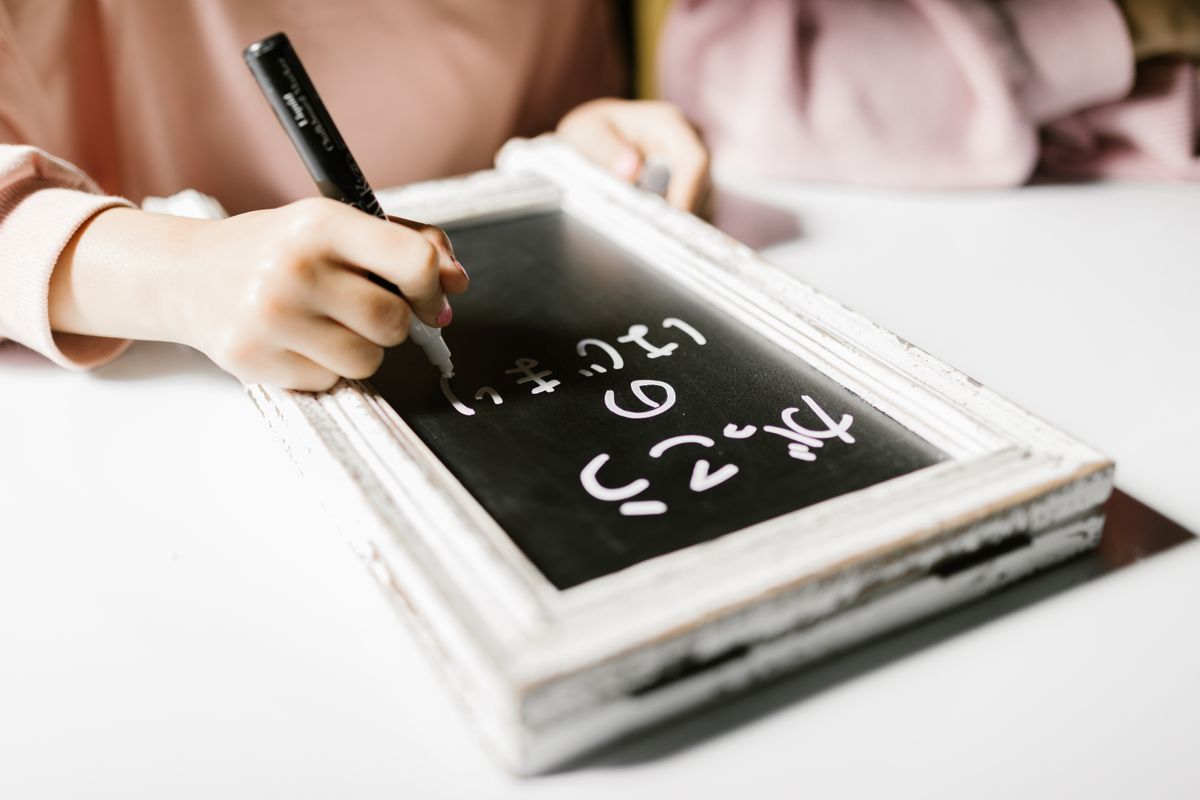
Auxílios de memória mnemônica. A maneira mais rápida de memorizar hiragana é por meio de mnemônicos visuais — associando a forma de cada personagem a uma imagem vívida. O caractere あ (a) parece uma pessoa se curvando com o braço estendido. O caractere き (ki) se assemelha a uma chave. O personagem も (mo) parece um anzol de pesca com um peixe. Crie suas próprias associações ou use tabelas mnemônicas pré-feitas.
Munição Japonesa com o tutorial de hiragana da Misa é um dos recursos mais populares para iniciantes. O vídeo percorre todos os 46 caracteres com mnemônicos claros e guias de pronúncia. Trabalhe isso com um caderno, escreva cada personagem conforme ela demonstra, e você terá uma base sólida em poucos dias.
Katakana: Os Outros 46 Personagens
Katakana (カタカナ) tem exatamente os mesmos sons do hiragana, mas usa formas de caracteres diferentes e mais angulares. Se hiragana é a escrita curvilínea e fluida, katakana é a contraparte aguda e geométrica. Mesmos sons, visual diferente.
Por que o katakana existe. Katakana cumpre funções específicas em japonês:
- Empréstimos estrangeiros: コーヒー (kōhī, "café"), テレビ (terebi, "TV"), コンピューター (konpyūtā, "computador")
- Termos científicos: 酸素 (sanso, "oxigênio"), 水素 (suiso, "hidrogênio")
- Ênfase: Como itálico em inglês — カタカナ faz as palavras se destacarem
- Onomatopeia: ワクワク (wakuwaku, "animado"), ドキドキ (dokidoki, "coração batendo forte")
- Nomes de animais e plantas: ネコ (neko, "gato"), イヌ (inu, "cachorro"), サクラ (sakura, "flor de cerejeira")
Katakana está em toda parte. Iniciantes às vezes pulam o katakana achando que é menos importante. Não cometa esse erro. Caminhe por qualquer cidade japonesa e você verá katakana em vitrines, embalagens de produtos, cardápios de restaurantes e placas de trens. A palavra para "loja de conveniência" — コンビニ (konbini) — está em katakana. Assim como マンション (manshon, "apartamento") e レストラン (resutoran, "restaurante").
Sua vantagem: palavras emprestadas. Como katakana é usado para empréstimos estrangeiros, muitas palavras katakana soam como inglês. マクドナルド (makudonarudo) é o McDonald's. スマートフォン (sumātofon) é smartphone. バス (basu) é ônibus. Esses sons familiares tornam o katakana mais fácil de lembrar do que o hiragana para muitos alunos.
Dakuten, Handakuten & Sons de Combinação
Os 46 personagens básicos são apenas o começo. O japonês adiciona consoantes sonoras (dakuten), consoantes meio sonoras (handakuten) e sons combinados que expandem significativamente o repertório.
Dakuten (濁点) — consoantes sonoras. Adicionar duas pequenas marcas (゙) a certos caracteres hiragana transforma consoantes sordas em consoantes sonoras:
- か (ka) → が (ga), き (ki) → ぎ (gi), く (ku) → ぐ (gu)
- さ (sa) → ざ (za), し (shi) → じ (ji), す (su) → ず (zu)
- た (ta) → だ (da), ち (chi) → ぢ (ji), つ (tsu) → づ (zu)
- は (ha) → ば (ba), ひ (hi) → び (bi), ふ (fu) → ぶ (bu)
Handakuten (半濁点) — voz meia. Adicionar um pequeno círculo (゚) aos caracteres de linha は cria sons p:
- は (ha) → ぱ (pa), ひ (hi) → ぴ (pi), ふ (fu) → ぷ (pu)
Sons de combo (拗音, yōon). Combinar certos caracteres consonânticos com pequenos ya, yu ou yo cria novos sons:
- き + ゃ = きゃ (kya), き + ゅ = きゅ (kyu), き + ょ = きょ (kyo)
- し + ゃ = しゃ (sha), し + ゅ = しゅ (shu), し + ょ = しょ (sho)
- ち + ゃ = ちゃ (cha), ち + ゅ = ちゅ (chu), ち + ょ = ちょ (cho)
O pequeno つ (っ) — marcador de consoante dupla. Esse caractere minúsculo interrompe o fluxo entre consoantes, criando uma pausa. きって (kitte, "carimbo") é pronunciado "kit-te" com uma parada clara. まって (matte, "espere") é "mat-te." Esse つ pequeno é essencial para a pronúncia natural do japonês.
Prática de Escrita: A Ordem dos Traços Importa
Sim, a ordem dos golpes importa. Não é só perfeccionismo caligráfico — a ordem correta dos traços ajuda seu cérebro a codificar a forma de cada personagem de forma mais profunda. Quando você escreve os personagens do mesmo jeito toda vez, desenvolve memória muscular que torna o reconhecimento mais rápido e automático.
Regras básicas da ordem dos golpes:
- De cima a baixo: escreva os traços superiores antes dos inferiores
- Da esquerda para a direita: escreva traços do lado esquerdo antes dos do lado direito
- Horizontal antes de vertical: em traços cruzados, a horizontal geralmente vem primeiro
- De fora antes de dentro: escreva primeiro a moldura externa, depois preencha
- Centro antes dos lados: em caracteres simétricos, toque central primeiro
Pratique o método. Compre um caderno grid (方眼ノート, bōgan nōto) ou imprima um template de prática hiragana. Escreva cada caractere de 10 a 20 vezes enquanto diz o som em voz alta. Isso conecta simultaneamente a memória visual, motora e auditiva. Dedique de 15 a 20 minutos por dia praticando escrita durante a primeira semana.
Ferramentas digitais. Se você prefere prática digital, aplicativos como Obenkyo (Android) e Kana - Hiragana & Katakana (iOS) oferecem animações e quizzes por ordem de traços. O site do Real Kana (realkana.com) oferece prática gratuita e cronometrada para ambos os roteiros.
Lendo suas Primeiras Palavras em Japonês
Quando souber os caracteres, comece a ler japonês de verdade imediatamente. Não espere até "conhecer todos eles perfeitamente" — você vai aprender mais rápido ao encontrar os personagens no contexto.
20 palavras do hiragana para praticar leitura:
- さくら (sakura) — flor de cerejeira
- やま (yama) — montanha
- かわ (kawa) — rio
- はな (Hana) — flor
- そら (sora) — céu
- みず (Mizu) — água
- いぬ (inu) — cachorro
- ねこ (neko) — gato
- ほん (hon) — livro
- くるま (kuruma) — carro
- たべる (Taberu) — para comer
- のむ (nomu) — para beber
- いく (Iku) — A seguir
- みる (Miru) — Ver
- きく (kiku) — ouvir
- はなす (Hanasu) — para falar
- ともだち (tomodachi) — amigo
- がっこう (gakkō) — escola
- せんせい (sensei) — professor
- ありがとう (arigatō) — obrigado
10 palavras emprestadas de katakana para praticar:
- コーヒー (kōhī) — café
- テレビ (terebi) — TV
- パン (panela) — pão
- バス (basu) — ônibus
- ホテル (Hoteru) — hotel
- タクシー (takushī) — táxi
- カメラ (kamera) — câmera
- ペン (caneta) — caneta
- ドア (DOA) — porta
- ノート (nōto) — notebook
Lista de verificação para autoexames. Você consegue fazer tudo isso? Se sim, você está pronto para seguir em frente:
- Leia todos os 46 personagens do hiragana sem hesitar
- Leia todos os 46 caracteres katakana sem hesitar
- Reconhecer variantes dakuten e handakuten
- Leia sons de combo (しゃ, ちゅ, きょ, etc.)
- Leia em voz alta as 20 palavras do hiragana acima
- Leia em voz alta as 10 palavras do katakana acima
- Escreva qualquer caractere de memória quando recebe o som
O que vem depois de Hiragana e Katakana
Parabéns — agora você pode ler o texto em japonês. Esse é um marco genuíno que muitos aspirantes a aprendizes japoneses nunca alcançam porque ficam presos na dependência do romaji. Você está à frente do que está acontecendo.
Seus próximos passos são construir vocabulário e aprender gramática básica. Comece com cumprimentos comuns, números e padrões simples de frase. Depois, comece a aprender kanji — os caracteres chineses que carregam o significado das palavras de conteúdo japonesas. A transição dos scripts para o vocabulário, da gramática para os kanji segue uma progressão natural que se baseia no que você já aprendeu.
Para uma abordagem estruturada para a próxima fase, confira nossa estratégia definitiva de aprendizado de kanji e nosso plano de estudo JLPT N5–N3. E se você quer tornar o aprendizado divertido junto com seus estudos, nosso guia para aprender japonês através de anime mostra como transformar entretenimento em prática.
Pronto para dar o salto? Navegue pelos programas de língua japonesa e comece a planejar sua jornada de intercâmbio no Japão. Seu primeiro personagem começa agora.
Perguntas Frequentes
Quanto tempo leva para aprender Hiragana e Katakana?
Alguns aprendizes se sentem confortáveis com ambos os roteiros em uma ou duas semanas de prática diária; outros precisam de mais tempo, especialmente para uma chamada rápida. O Hiragana normalmente leva de 3 a 7 dias, e o Katakana mais 3 a 7 dias. O segredo é a prática diária consistente — até 15 minutos por dia funcionam se você mantiver isso todos os dias. Espaçar a prática em muitas sessões curtas é mais eficaz do que espremer em uma sessão longa.
Posso pular o Katakana e aprender apenas Hiragana?
Não. Katakana aparece em todo lugar no japonês — cardápios, placas, nomes de produtos, artigos científicos e conversas do dia a dia. Pular isso cria uma grande lacuna que vai te frustrar constantemente. Empréstimos como コーヒー (café), コンビニ (loja de conveniência) e マクドナルド (McDonald's) são escritos em katakana. Você vai encontrar textos de katakana diariamente desde seus primeiros dias de estudo de japonês. Aprenda ambos os roteiros desde o início.
Devo usar mnemônicos ou apenas decorar escrevendo?
Use os dois. Mnemônicas ajudam na lembrança inicial — elas dão ao seu cérebro um gancho para pendurar cada personagem. A prática de escrita constrói memória motora de longo prazo que torna o reconhecimento automático. A abordagem mais eficaz é criar uma associação mnemônica para cada personagem e depois reforçá-la escrevendo o personagem de 10 a 20 vezes enquanto pronuncia o som em voz alta. Depois de alguns dias dessa abordagem combinada, você reconhecerá os personagens instantaneamente sem precisar do mnemônico.
Artigos Relacionados
- O Guia Completo para Aprender Japonês
- A Estratégia Definitiva de Aprendizado de Kanji
- JLPT N5–N3 Prep: Plano de Estudos Completo
- Aprenda Japonês através do Anime
- O Guia Completo para Aprender Coreano
- O Guia Completo para Aprender Mandarim
Estudo com o Asia Pathway
Para adicionar experiência no país ao seu estudo de japonês, revise o Intensivo de Verão de Tóquio e confirme a próxima vaga disponível. Entre em contato com a Asia Pathway para saber datas atuais, custos e adequação ao programa.
Para as datas atuais do JLPT, horários de testes e regras de pontuação, use o site oficial do JLPT.
Perguntas Frequentes
Mais sobre estudar na japan
Ler o guia completo →